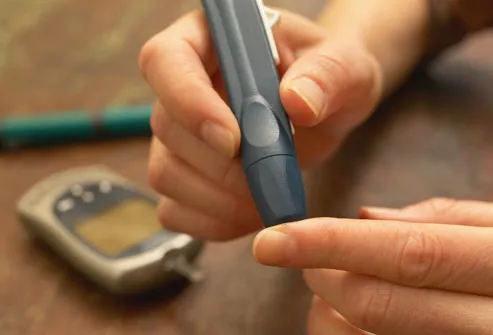
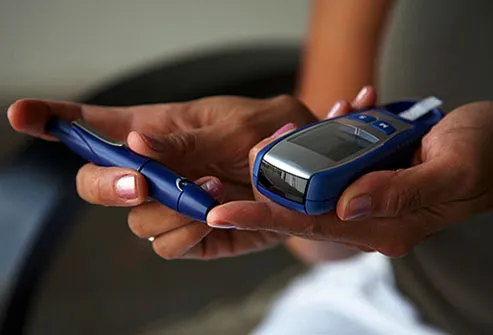
People with type 2 diabetes can often keep their blood sugar levels under control with diet, exercise, and medicine. But unless you check your blood sugar level every day with a meter, you won't have the most accurate results. Any person with diabetes can benefit from checking their blood sugar. And when you track your results in a log, your doctor can tell how well you're responding to your treatment plan over time.
Thirst and frequent urination are two classic diabetes signs caused by too much sugar in your blood. As your kidneys work harder to filter out the sugar, they also pull more fluids from your tissues, which is why you have to go to the bathroom more often than usual. Thirst is your body's way of telling you it needs to replenish the liquids it's losing. If you don't drink more fluids, you can dehydrate.
Fatigue is another signal that your blood sugar isn't under control. When sugar is staying in your bloodstream instead of being diverted to your body's cells, your muscles don't get enough fuel to use for energy. You might feel only a little tired, or your fatigue might be so bad that you need a nap. Sometimes people with diabetes feel especially tired after eating a big meal.
Feeling dizzy or shaky can be a sign of low blood sugar or hypoglycemia. Because your brain needs glucose to function, a drop in blood sugar can be dangerous -- even life-threatening -- if you don't address it. A glass of fruit juice can bring up your blood sugar in the short term. But if you're regularly feeling shaky, talk to your doctor. You may need to adjust your medications or diet.
If you have high blood pressure as well as diabetes, the two conditions can damage the kidneys' ability to filter wastes and fluid over time. As water builds up in your body, your hands and feet may swell -- a warning sign that you may have kidney disease. You can preserve the kidney function you have by taking your diabetes and blood pressure medicines as prescribed, and watching the protein in your diet.
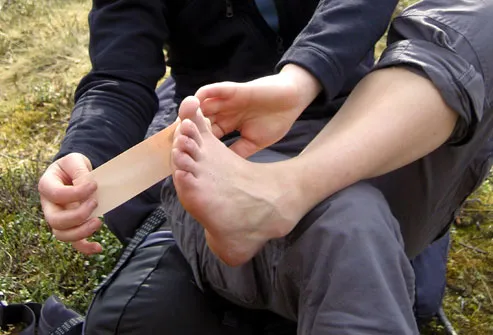
Nerve damage (called peripheral neuropathy) can be another sign of chronically elevated blood sugars. It results in numbness or tingling in your hands and feet, or inability to feel pain or temperature changes. See your podiatrist for regular foot exams. People with neuropathy may not realize they have been injured from a cut or that a wound is becoming infected. Or they may be oversensitive to pain. They might experience severe and constant pain from otherwise painless stimulation.
Diabetes also damages the nerve that helps your stomach empty and move food smoothly through your digestive tract. When your stomach can't empty quickly enough, a condition called gastroparesis, you may deal with unpleasant abdominal problems like diarrhea, constipation, or incontinence. Many people also have problems eating or swallowing. Gastroparesis also can make it harder to control your diabetes.
You're Losing Your Sight
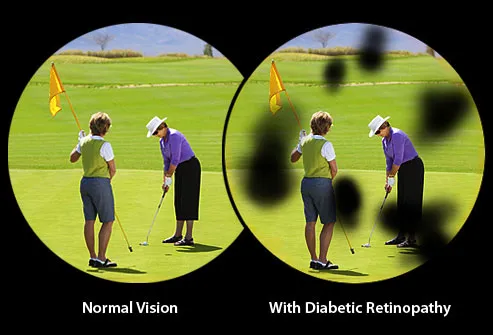
High blood sugar and high blood pressure both can damage the sensitive structures in your eyes and threaten your vision. Diabetic retinopathy -- caused by damage to the blood vessels in the eye -- is the biggest cause of blindness in adults. Blurred vision, spots, lines, or flashing lights are signs that it's time to see your eye doctor. Get your eyes checked now, before your vision has a chance to deteriorate.
You're Losing Weight
Losing unwanted pounds is always a good idea to manage type 2 diabetes. But if you're losing weight quickly, without trying, or without doing anything different, it may be a sign that your blood sugar is too high. When your glucose is high, it gets flushed out of the body in urine, taking the calories and fluids you consume with it.
You Don't Check Your Blood Sugar
People with type 2 diabetes can often keep their blood sugar levels under control with diet, exercise, and medicine. But unless you check your blood sugar level every day with a meter, you won't have the most accurate results. Any person with diabetes can benefit from checking their blood sugar. And when you track your results in a log, your doctor can tell how well you're responding to your treatment plan over time.
You're Thirsty, and You Have to Go
Thirst and frequent urination are two classic diabetes signs caused by too much sugar in your blood. As your kidneys work harder to filter out the sugar, they also pull more fluids from your tissues, which is why you have to go to the bathroom more often than usual. Thirst is your body's way of telling you it needs to replenish the liquids it's losing. If you don't drink more fluids, you can dehydrate.
You're Wiped Out
Fatigue is another signal that your blood sugar isn't under control. When sugar is staying in your bloodstream instead of being diverted to your body's cells, your muscles don't get enough fuel to use for energy. You might feel only a little tired, or your fatigue might be so bad that you need a nap. Sometimes people with diabetes feel especially tired after eating a big meal.
The Room Is Spinning
Feeling dizzy or shaky can be a sign of low blood sugar or hypoglycemia. Because your brain needs glucose to function, a drop in blood sugar can be dangerous -- even life-threatening -- if you don't address it. A glass of fruit juice can bring up your blood sugar in the short term. But if you're regularly feeling shaky, talk to your doctor. You may need to adjust your medications or diet.
Your Hands and Feet Swell
If you have high blood pressure as well as diabetes, the two conditions can damage the kidneys' ability to filter wastes and fluid over time. As water builds up in your body, your hands and feet may swell -- a warning sign that you may have kidney disease. You can preserve the kidney function you have by taking your diabetes and blood pressure medicines as prescribed, and watching the protein in your diet.
You Have Numbness or Tingling
Nerve damage (called peripheral neuropathy) can be another sign of chronically elevated blood sugars. It results in numbness or tingling in your hands and feet, or inability to feel pain or temperature changes. See your podiatrist for regular foot exams. People with neuropathy may not realize they have been injured from a cut or that a wound is becoming infected. Or they may be oversensitive to pain. They might experience severe and constant pain from otherwise painless stimulation.
You Have Stomach Trouble
Diabetes also damages the nerve that helps your stomach empty and move food smoothly through your digestive tract. When your stomach can't empty quickly enough, a condition called gastroparesis, you may deal with unpleasant abdominal problems like diarrhea, constipation, or incontinence. Many people also have problems eating or swallowing. Gastroparesis also can make it harder to control your diabetes.
You're Losing Your Sight
High blood sugar and high blood pressure both can damage the sensitive structures in your eyes and threaten your vision. Diabetic retinopathy -- caused by damage to the blood vessels in the eye -- is the biggest cause of blindness in adults. Blurred vision, spots, lines, or flashing lights are signs that it's time to see your eye doctor. Get your eyes checked now, before your vision has a chance to deteriorate.
You're Losing Weight
Losing unwanted pounds is always a good idea to manage type 2 diabetes. But if you're losing weight quickly, without trying, or without doing anything different, it may be a sign that your blood sugar is too high. When your glucose is high, it gets flushed out of the body in urine, taking the calories and fluids you consume with it.
You Have Recurring Infections
Frequent or recurring infections are sometimes a sign of high blood sugar. You might experience gum disease, urinary tract infections, bacterial or fungal infections of the skin, or, if you're a woman, yeast infections. Other infections might include pneumonia and respiratory infections, kidney and gallbladder infections, and severe bacterial middle ear and fungal sinus infection
You Don't Check Your Blood Sugar
People with type 2 diabetes can often keep their blood sugar levels under control with diet, exercise, and medicine. But unless you check your blood sugar level every day with a meter, you won't have the most accurate results. Any person with diabetes can benefit from checking their blood sugar. And when you track your results in a log, your doctor can tell how well you're responding to your treatment plan over time.
You're Thirsty, and You Have to Go
Thirst and frequent urination are two classic diabetes signs caused by too much sugar in your blood. As your kidneys work harder to filter out the sugar, they also pull more fluids from your tissues, which is why you have to go to the bathroom more often than usual. Thirst is your body's way of telling you it needs to replenish the liquids it's losing. If you don't drink more fluids, you can dehydrate.
You're Wiped Out
Fatigue is another signal that your blood sugar isn't under control. When sugar is staying in your bloodstream instead of being diverted to your body's cells, your muscles don't get enough fuel to use for energy. You might feel only a little tired, or your fatigue might be so bad that you need a nap. Sometimes people with diabetes feel especially tired after eating a big meal.
The Room Is Spinning
Feeling dizzy or shaky can be a sign of low blood sugar or hypoglycemia. Because your brain needs glucose to function, a drop in blood sugar can be dangerous -- even life-threatening -- if you don't address it. A glass of fruit juice can bring up your blood sugar in the short term. But if you're regularly feeling shaky, talk to your doctor. You may need to adjust your medications or diet.
Your Hands and Feet Swell
If you have high blood pressure as well as diabetes, the two conditions can damage the kidneys' ability to filter wastes and fluid over time. As water builds up in your body, your hands and feet may swell -- a warning sign that you may have kidney disease. You can preserve the kidney function you have by taking your diabetes and blood pressure medicines as prescribed, and watching the protein in your diet.
You Have Numbness or Tingling
Nerve damage (called peripheral neuropathy) can be another sign of chronically elevated blood sugars. It results in numbness or tingling in your hands and feet, or inability to feel pain or temperature changes. See your podiatrist for regular foot exams. People with neuropathy may not realize they have been injured from a cut or that a wound is becoming infected. Or they may be oversensitive to pain. They might experience severe and constant pain from otherwise painless stimulation.
You Have Stomach Trouble
Diabetes also damages the nerve that helps your stomach empty and move food smoothly through your digestive tract. When your stomach can't empty quickly enough, a condition called gastroparesis, you may deal with unpleasant abdominal problems like diarrhea, constipation, or incontinence. Many people also have problems eating or swallowing. Gastroparesis also can make it harder to control your diabetes.
You're Losing Your Sight
High blood sugar and high blood pressure both can damage the sensitive structures in your eyes and threaten your vision. Diabetic retinopathy -- caused by damage to the blood vessels in the eye -- is the biggest cause of blindness in adults. Blurred vision, spots, lines, or flashing lights are signs that it's time to see your eye doctor. Get your eyes checked now, before your vision has a chance to deteriorate.
You're Losing Weight
Losing unwanted pounds is always a good idea to manage type 2 diabetes. But if you're losing weight quickly, without trying, or without doing anything different, it may be a sign that your blood sugar is too high. When your glucose is high, it gets flushed out of the body in urine, taking the calories and fluids you consume with it.
You Have Recurring Infections
Frequent or recurring infections are sometimes a sign of high blood sugar. You might experience gum disease, urinary tract infections, bacterial or fungal infections of the skin, or, if you're a woman, yeast infections. Other infections might include pneumonia and respiratory infections, kidney and gallbladder infections, and severe bacterial middle ear and fungal sinus infections.
Cuts and Bruises Won't Heal
If your blood sugar isn't well controlled, you might find that cuts and bruises are slow to heal. Tending to injuries, however small, is important because it reduces the risk of infections in people with diabetes. Infections themselves can also worsen blood sugars, which makes it even harder for your immune system to fight off the infection
You Don't Check Your Blood Sugar
People with type 2 diabetes can often keep their blood sugar levels under control with diet, exercise, and medicine. But unless you check your blood sugar level every day with a meter, you won't have the most accurate results. Any person with diabetes can benefit from checking their blood sugar. And when you track your results in a log, your doctor can tell how well you're responding to your treatment plan over time.
You're Thirsty, and You Have to Go
Thirst and frequent urination are two classic diabetes signs caused by too much sugar in your blood. As your kidneys work harder to filter out the sugar, they also pull more fluids from your tissues, which is why you have to go to the bathroom more often than usual. Thirst is your body's way of telling you it needs to replenish the liquids it's losing. If you don't drink more fluids, you can dehydrate.
You're Wiped Out
Fatigue is another signal that your blood sugar isn't under control. When sugar is staying in your bloodstream instead of being diverted to your body's cells, your muscles don't get enough fuel to use for energy. You might feel only a little tired, or your fatigue might be so bad that you need a nap. Sometimes people with diabetes feel especially tired after eating a big meal.
The Room Is Spinning
Feeling dizzy or shaky can be a sign of low blood sugar or hypoglycemia. Because your brain needs glucose to function, a drop in blood sugar can be dangerous -- even life-threatening -- if you don't address it. A glass of fruit juice can bring up your blood sugar in the short term. But if you're regularly feeling shaky, talk to your doctor. You may need to adjust your medications or diet.
Your Hands and Feet Swell
If you have high blood pressure as well as diabetes, the two conditions can damage the kidneys' ability to filter wastes and fluid over time. As water builds up in your body, your hands and feet may swell -- a warning sign that you may have kidney disease. You can preserve the kidney function you have by taking your diabetes and blood pressure medicines as prescribed, and watching the protein in your diet.
You Have Numbness or Tingling
Nerve damage (called peripheral neuropathy) can be another sign of chronically elevated blood sugars. It results in numbness or tingling in your hands and feet, or inability to feel pain or temperature changes. See your podiatrist for regular foot exams. People with neuropathy may not realize they have been injured from a cut or that a wound is becoming infected. Or they may be oversensitive to pain. They might experience severe and constant pain from otherwise painless stimulation.
You Have Stomach Trouble
Diabetes also damages the nerve that helps your stomach empty and move food smoothly through your digestive tract. When your stomach can't empty quickly enough, a condition called gastroparesis, you may deal with unpleasant abdominal problems like diarrhea, constipation, or incontinence. Many people also have problems eating or swallowing. Gastroparesis also can make it harder to control your diabetes.
You're Losing Your Sight
High blood sugar and high blood pressure both can damage the sensitive structures in your eyes and threaten your vision. Diabetic retinopathy -- caused by damage to the blood vessels in the eye -- is the biggest cause of blindness in adults. Blurred vision, spots, lines, or flashing lights are signs that it's time to see your eye doctor. Get your eyes checked now, before your vision has a chance to deteriorate.
You're Losing Weight
Losing unwanted pounds is always a good idea to manage type 2 diabetes. But if you're losing weight quickly, without trying, or without doing anything different, it may be a sign that your blood sugar is too high. When your glucose is high, it gets flushed out of the body in urine, taking the calories and fluids you consume with it.
You Have Recurring Infections
Frequent or recurring infections are sometimes a sign of high blood sugar. You might experience gum disease, urinary tract infections, bacterial or fungal infections of the skin, or, if you're a woman, yeast infections. Other infections might include pneumonia and respiratory infections, kidney and gallbladder infections, and severe bacterial middle ear and fungal sinus infections.
Cuts and Bruises Won't Heal
If your blood sugar isn't well controlled, you might find that cuts and bruises are slow to heal. Tending to injuries, however small, is important because it reduces the risk of infections in people with diabetes. Infections themselves can also worsen blood sugars, which makes it even harder for your immune system to fight off the infection.
Keep Control
Don't panic about diabetes complications -- try to avoid them by carefully following your doctor's treatment plan. Take your medicine, eat a healthy diet, and exercise to keep your blood sugar levels in check. Use your meter to test your blood sugar so you know that it's staying in the recommended range. An A1C test at least twice a year will give you a good snapshot of your blood sugar control over time.
You Don't Check Your Blood Sugar
People with type 2 diabetes can often keep their blood sugar levels under control with diet, exercise, and medicine. But unless you check your blood sugar level every day with a meter, you won't have the most accurate results. Any person with diabetes can benefit from checking their blood sugar. And when you track your results in a log, your doctor can tell how well you're responding to your treatment plan over time.
You're Thirsty, and You Have to Go
Thirst and frequent urination are two classic diabetes signs caused by too much sugar in your blood. As your kidneys work harder to filter out the sugar, they also pull more fluids from your tissues, which is why you have to go to the bathroom more often than usual. Thirst is your body's way of telling you it needs to replenish the liquids it's losing. If you don't drink more fluids, you can dehydrate.
You're Wiped Out
Fatigue is another signal that your blood sugar isn't under control. When sugar is staying in your bloodstream instead of being diverted to your body's cells, your muscles don't get enough fuel to use for energy. You might feel only a little tired, or your fatigue might be so bad that you need a nap. Sometimes people with diabetes feel especially tired after eating a big meal.
The Room Is Spinning
Feeling dizzy or shaky can be a sign of low blood sugar or hypoglycemia. Because your brain needs glucose to function, a drop in blood sugar can be dangerous -- even life-threatening -- if you don't address it. A glass of fruit juice can bring up your blood sugar in the short term. But if you're regularly feeling shaky, talk to your doctor. You may need to adjust your medications or diet.
Your Hands and Feet Swell
If you have high blood pressure as well as diabetes, the two conditions can damage the kidneys' ability to filter wastes and fluid over time. As water builds up in your body, your hands and feet may swell -- a warning sign that you may have kidney disease. You can preserve the kidney function you have by taking your diabetes and blood pressure medicines as prescribed, and watching the protein in your diet.
You Have Numbness or Tingling
Nerve damage (called peripheral neuropathy) can be another sign of chronically elevated blood sugars. It results in numbness or tingling in your hands and feet, or inability to feel pain or temperature changes. See your podiatrist for regular foot exams. People with neuropathy may not realize they have been injured from a cut or that a wound is becoming infected. Or they may be oversensitive to pain. They might experience severe and constant pain from otherwise painless stimulation.
You Have Stomach Trouble
Diabetes also damages the nerve that helps your stomach empty and move food smoothly through your digestive tract. When your stomach can't empty quickly enough, a condition called gastroparesis, you may deal with unpleasant abdominal problems like diarrhea, constipation, or incontinence. Many people also have problems eating or swallowing. Gastroparesis also can make it harder to control your diabetes.
You're Losing Your Sight
High blood sugar and high blood pressure both can damage the sensitive structures in your eyes and threaten your vision. Diabetic retinopathy -- caused by damage to the blood vessels in the eye -- is the biggest cause of blindness in adults. Blurred vision, spots, lines, or flashing lights are signs that it's time to see your eye doctor. Get your eyes checked now, before your vision has a chance to deteriorate.
You're Losing Weight
Losing unwanted pounds is always a good idea to manage type 2 diabetes. But if you're losing weight quickly, without trying, or without doing anything different, it may be a sign that your blood sugar is too high. When your glucose is high, it gets flushed out of the body in urine, taking the calories and fluids you consume with it.
You Have Recurring Infections
Frequent or recurring infections are sometimes a sign of high blood sugar. You might experience gum disease, urinary tract infections, bacterial or fungal infections of the skin, or, if you're a woman, yeast infections. Other infections might include pneumonia and respiratory infections, kidney and gallbladder infections, and severe bacterial middle ear and fungal sinus infections.
Cuts and Bruises Won't Heal
If your blood sugar isn't well controlled, you might find that cuts and bruises are slow to heal. Tending to injuries, however small, is important because it reduces the risk of infections in people with diabetes. Infections themselves can also worsen blood sugars, which makes it even harder for your immune system to fight off the infection.
Keep Control
Don't panic about diabetes complications -- try to avoid them by carefully following your doctor's treatment plan. Take your medicine, eat a healthy diet, and exercise to keep your blood sugar levels in check. Use your meter to test your blood sugar so you know that it's staying in the recommended range. An A1C test at least twice a year will give you a good snapshot of your blood sugar control over time.
When to Call Your Doctor
Any new or unusual symptoms are worth making a call to your doctor. Call if you feel dizzy or your blood sugar drops, or if you have severe symptoms like uncontrolled vomiting, dizziness, numbness or tingling, or blurred or double vision that doesn't go away. Also call if you're having trouble controlling your blood pressure on your own.